Guide · Espresso machines
How to make espresso at home
What espresso actually is, how to pull a shot on a home machine, and the moka pot and AeroPress alternatives if you don't have one, with dated UK prices.
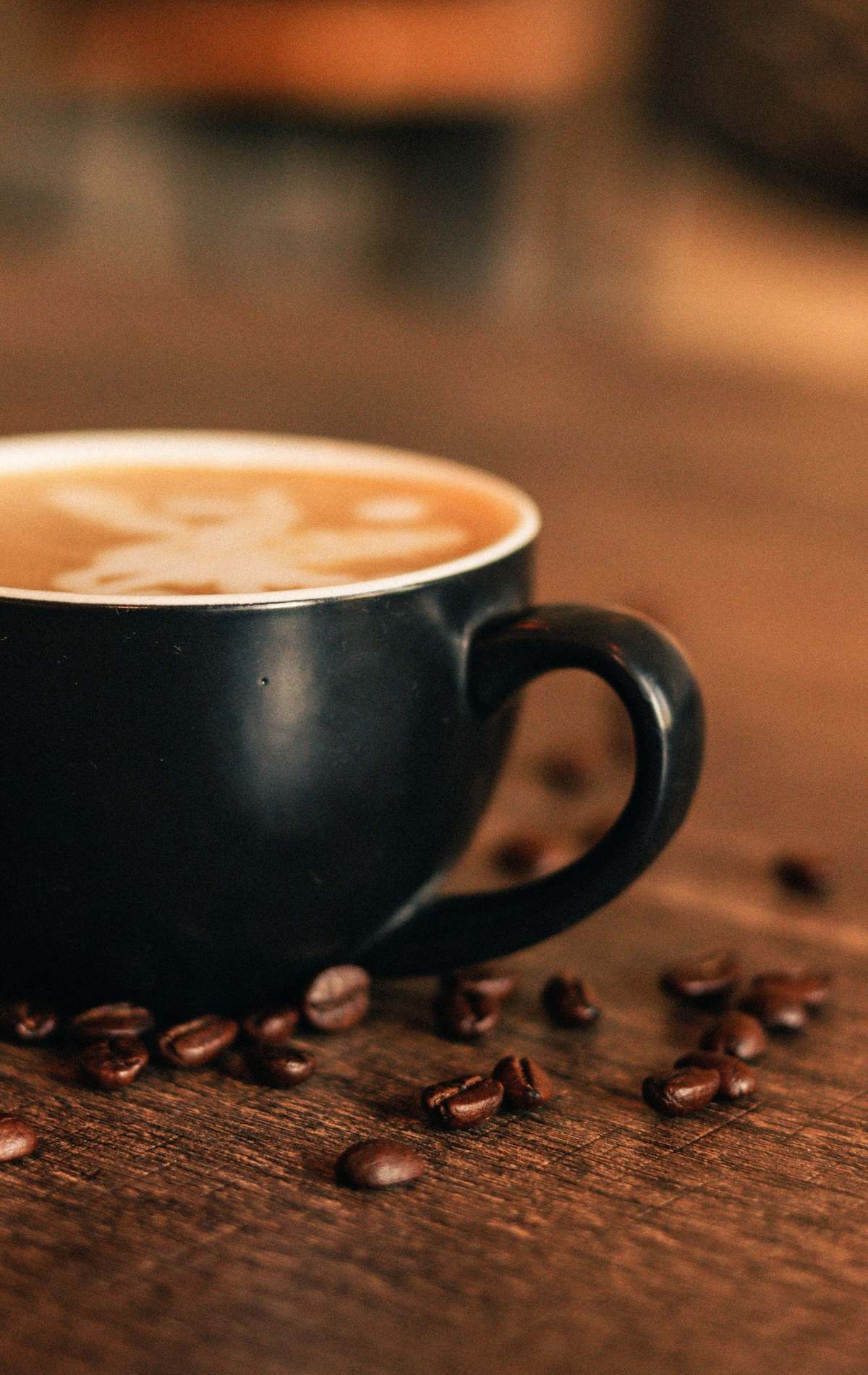
Want to make espresso at home? The good news is that a proper shot comes down to a few numbers you can measure: how much coffee goes in, how much liquid comes out, and how long it takes. The less good news is that true espresso needs a machine that forces water through finely ground coffee under pressure. Below, we explain the numbers, how to pull and fix a shot, and the best no-machine alternatives. We haven’t tested this in person. The guidance here comes from Sage UK’s published recipes and machine manual, brand and retailer listings, and UK prices checked on 3 Oct 2026. Read how we compare.
What is espresso?
Sage UK describes espresso as an intense shot of concentrated coffee with a layer of crema, and the base for drinks like the cappuccino, flat white and latte (Sage UK espresso recipe).
Three numbers define a shot:
| What | Sage’s starting point (double shot) |
|---|---|
| Dose (ground coffee in) | 19g in the recipe; 16–19g in the Barista Express manual |
| Yield (liquid out) | 38g, so about twice the dose |
| Time | 20–30 seconds in the recipe; 25–35 seconds in the manual |
The recipe and the manual differ slightly, so treat these as a range to start from, not fixed rules (Sage Barista Express manual, PDF). For a single shot, the manual gives 8–11g of coffee.
How to make espresso at home with a machine
This is the method Sage’s recipe describes, for a machine with a portafilter (the handle that holds the coffee).
- Heat up and purge. Run hot water through the group head into the portafilter, then wipe it dry. Sage says this preheats everything for a hotter, better-tasting shot.
- Grind and dose. Grind fresh beans into the portafilter. Sage’s recipe suggests 18–22g for its double basket and recommends using scales for accuracy.
- Settle and tamp. Tap the portafilter gently, then press the coffee down on a level surface with even pressure. The manual suggests about 15kg of tamping pressure.
- Brew. Lock the portafilter in, put your cup underneath and start the shot. Sage says the coffee should start to drip after about 8–10 seconds and flow like warm honey.
- Stop at the right yield. Weigh the shot if you can. Stop at about twice the weight of coffee you put in.
If you’re still choosing a machine, our espresso machines guide compares manual models, and our Sage Bambino review covers a popular compact one.
Who it isn’t for: anyone who wants coffee at the push of one button with no adjusting. A bean-to-cup machine does the grinding and tamping for you.
Sour or bitter? How to fix your espresso
The Barista Express manual’s extraction guide is a handy troubleshooting chart:
- Under-extracted (sour, weak): the shot runs fast and finishes in under 20 seconds, with thin, pale crema. The fix is a finer grind or a bigger dose.
- Balanced: the shot takes 25–35 seconds, flows like warm honey and has golden-brown crema.
- Over-extracted (bitter, burnt): the shot takes more than 40 seconds and the crema looks dark and spotty. The fix is a coarser grind or a smaller dose.
Change one thing at a time and taste after each change. Sage’s recipe page says the same thing more simply: grinding finer slows the flow, and grinding coarser speeds it up.
Grinder and beans for espresso
The grind matters more for espresso than for any other method, because a small change shifts the shot time noticeably. That’s why espresso grinders offer lots of fine settings: Sage lists 25 grind settings on the Barista Express Impress, for example (Sage UK).
- Grinder: a burr grinder gives a more even grind than a blade grinder. Our guide to the best burr grinders under £100 covers what budget grinders can and can’t do for espresso.
- Beans: Sage’s recipe calls for freshly roasted beans. Our coffee beans guide compares supermarket and specialty options, including blends sold for espresso.
Who it isn’t for: if you’d rather not buy a grinder, a machine with a built-in grinder, or pre-ground coffee sold for espresso, saves a step.
How to make espresso at home without a machine
Without a pump machine you can’t make true espresso, but two cheap brewers get you a strong, small coffee that works on its own or in a milky drink.
Moka pot
A moka pot sits on the hob and pushes hot water up through the coffee into the top chamber. The Bialetti Moka Express is the classic, and John Lewis lists it from £29.95 to £70.00 depending on size, checked 3 Oct 2026. The listing gives brewed amounts of 60ml for the 1-cup size, 130ml for the 3-cup, 250ml for the 6-cup and 410ml for the 9-cup. See it at John Lewis
Following the instructions in that listing: fill the base with water to the line, fill the funnel with ground coffee without pressing it down, screw it together and heat gently. Take it off the heat once the coffee turns lighter or the steam becomes audible, or it may taste burnt.
Who it isn’t for: anyone without a hob, or who wants crema. The listing calls them espresso cups, but it’s a strong stovetop brew rather than machine espresso.
AeroPress
The AeroPress Original is a plastic brewer you press by hand. AeroPress’s UK shop sells it for £39.99, checked 3 Oct 2026, and describes it as part French press, part pour-over and part espresso, with a 10oz capacity for one or two cups. AeroPress also promotes “espresso-style” recipes, which means a short, strong brew rather than true espresso. See it at AeroPress UK
Who it isn’t for: anyone who wants espresso for a latte art pour every morning. It’s a strong single-cup brewer, not an espresso machine.
Turning your espresso into a milky drink
Once you can pull a decent shot, adding steamed milk is the next step. Our guide on how to make a latte at home covers steam wands, frothers and the right milk temperature.
Downsides and things to know
- There’s a learning curve. Expect to waste some coffee while you find the right grind for each new bag of beans.
- Scales help a lot. Sage’s recipe uses weights in grams, which is hard to follow by eye.
- Numbers vary by machine. Sage’s recipe and manual give slightly different ranges, and other brands’ baskets take different doses. Use them as a starting point.
- No-machine options aren’t espresso. A moka pot or AeroPress makes strong coffee, but not the pressure-brewed shot a machine makes.
FAQ
How much coffee do you need for a double espresso? Sage’s recipe uses 19g of ground coffee for a double, and its Barista Express manual gives 16–19g.
How long should an espresso shot take? Sage’s recipe suggests 20–30 seconds and its manual 25–35 seconds. Under 20 seconds usually means sour, and over 40 seconds usually means bitter.
Can you make espresso without a machine? Not true espresso, which needs pressure. A moka pot or an AeroPress makes a strong, short coffee that’s a good stand-in.
Why does espresso taste sour? Usually because it ran too fast. Sage’s manual suggests a finer grind or a larger dose.