Guide · Cafetières
Grind size for a cafetière: how coarse is coarse?
What a coarse cafetière grind looks like, what goes wrong if it's too fine or too coarse, and which UK supermarket ground coffees are sold for cafetières.
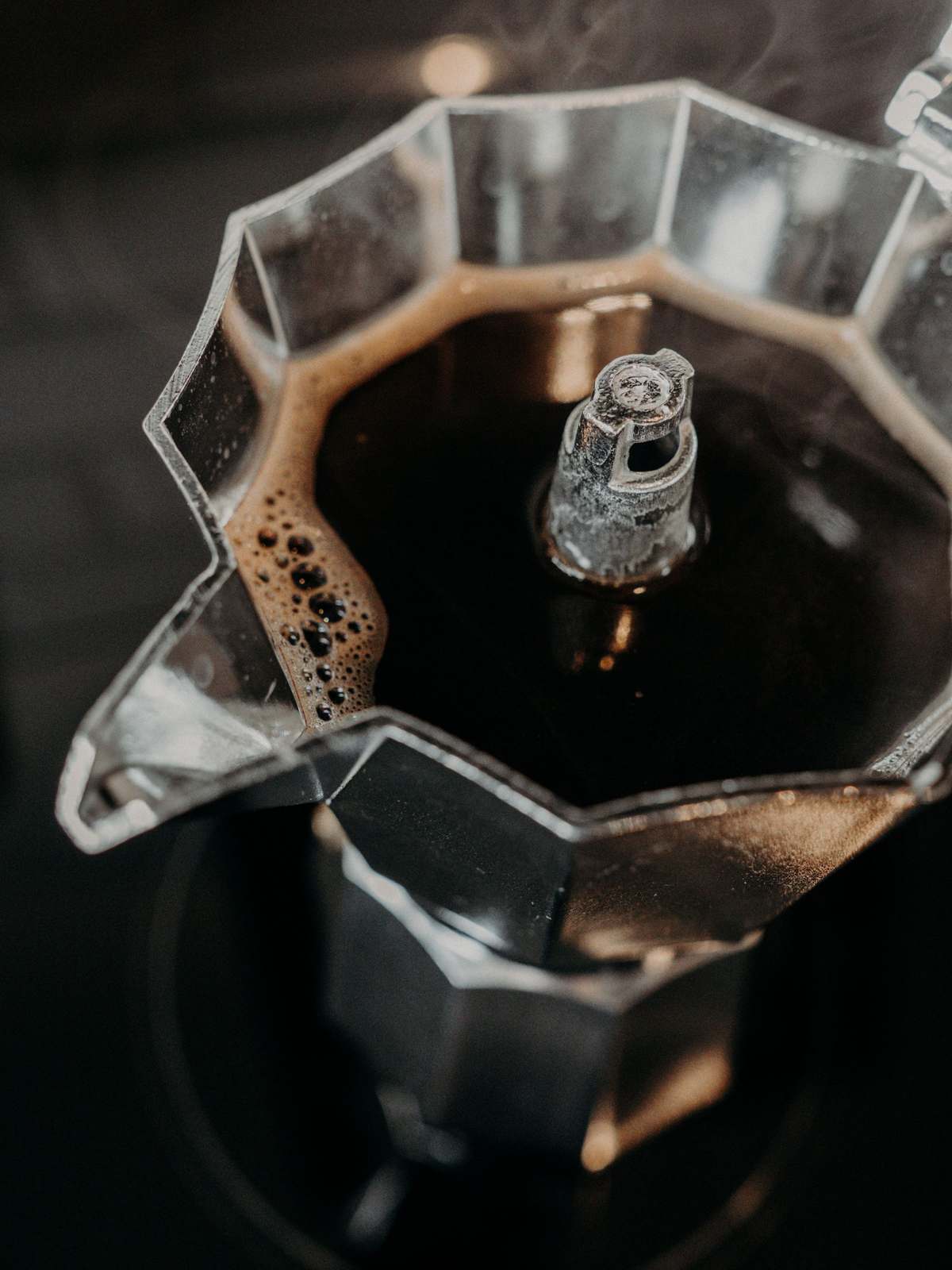
The right grind size for French press coffee is coarse: chunky, even particles that look more like rough sea salt than sand. In the UK we usually call a French press a cafetière, and the makers agree on this point. Bodum’s instructions tell you to use only coarse ground coffee, because a fine grind can clog the mesh filter and build up pressure when you plunge. We haven’t tested this in person. This guide is based on maker instructions from Bodum and Sage, plus UK supermarket listings checked 3 Oct 2026. Read how we compare.
What grind size for French press brewing looks like
Think of three rough stages:
- Fine (espresso): soft and powdery, close to flour. Too fine for a cafetière.
- Medium (filter machines and pour-over): like ordinary sand.
- Coarse (cafetière): separate, gritty pieces you can see individually, roughly the size of coarse sea salt or breadcrumbs.
Sage’s Smart Grinder Pro manual puts the cafetière (it says “plunger”) at the coarse end of its chart, with espresso at the fine end and drip filter in between. In its plunger coffee guide it suggests setting 58 out of 60, which tells you how far towards coarse a cafetière sits.
The aim is evenness as much as size. A burr grinder cuts beans to a fairly consistent size, while a blade grinder chops them into a mix of dust and chunks. The dust is what slips through the mesh and makes the last mouthful muddy.
Too fine or too coarse: what goes wrong
Too fine is the more common mistake, usually because people use pre-ground coffee meant for filter machines or espresso. You’ll notice:
- The plunger is hard to push down. Bodum warns that fine coffee can clog the filter and create high pressure, so never force it.
- A bitter, harsh cup, because a fine grind gives up its flavour too fast over a four-minute steep.
- Silt and sludge at the bottom of the mug.
Too coarse gives the opposite problem. Water can’t get at enough of the coffee in the time it steeps, so the cup tastes thin, weak and a bit sour. The plunger drops with almost no resistance.
The fix is to change one thing at a time. If it’s bitter and silty, go a step coarser. If it’s weak, go a step finer or add a little more coffee before you change anything else.
Who it isn’t for: anyone hoping a finer grind will make a cafetière taste like espresso. It won’t. It just makes it harder to plunge and more bitter.
Pre-ground coffee for a cafetière in UK supermarkets
If you don’t own a grinder, look for packs that say “cafetière” or “cafetière and filter” on the front. Most supermarket ground coffee is a medium grind that works in both cafetières and filter machines, so it’ll be a little finer than ideal, but it’s usable. Expect a bit more sediment.
From Morrisons’ “cafetiere coffee” search on 3 Oct 2026:
- Costa Dark Amazonian Blend Ground For Cafetière & Filter: £3.50 at Morrisons, checked 3 Oct 2026.
- Morrisons French Style Ground Coffee: £3.60 at Morrisons, checked 3 Oct 2026.
- Taylors Brasilia Ground Coffee: £5.75 at Morrisons, checked 3 Oct 2026.
Avoid packs labelled “espresso” or “for espresso machines” for a cafetière. They’re ground finer for a different job.
Who it isn’t for: anyone who wants the cleanest possible cup. Pre-ground coffee is convenient, but grinding coarse at home gives you more control.
Grinder settings to start from
Every grinder numbers its dial differently, so treat these as starting points and adjust by taste:
- Sage Smart Grinder Pro: Sage’s own plunger guide starts at setting 58 of 60, with 95°C water and a four-minute brew.
- Other burr grinders: start two or three settings from the coarsest end, brew, then adjust one step at a time.
- Blade grinders: use short pulses rather than one long run, and shake the grinder between pulses. You’ll still get some dust.
Bodum’s dose guide is one rounded tablespoon, or one Bodum scoop, of coarse ground coffee for each 4oz (125ml) cup. Our guide to how much coffee per cup covers the same idea in grams.
Who it isn’t for: anyone without a burr grinder who wants a very even grind. A blade grinder will always leave some fines.
Where to go next
Our guide to how to use a cafetière takes you through the full method. If you want a grinder that does coarse well, see our picks of the best coffee grinder for a French press and the best burr grinders under £100, or browse all our coffee grinders. Choosing a pot? Start with our best cafetière guide. Using a stovetop pot instead? See our moka pot grind size guide.
FAQ
Can you use ordinary ground coffee in a cafetière? Yes. Most UK supermarket ground coffee is sold for “cafetière and filter”. It’s a bit finer than ideal, so expect some sediment and plunge gently.
Why is my cafetière hard to plunge? Usually the grind is too fine. Bodum warns that fine coffee can clog the filter and build pressure, so stop, let it settle and use a coarser grind next time.
Why does my cafetière coffee taste weak? The grind may be too coarse, or there’s too little coffee. Try one step finer, or use a little more coffee, before changing anything else.
Is a French press grind the same as cold brew? Both are coarse. Cold brew is often ground as coarse or coarser, because it steeps for hours rather than minutes.