Guide · Moka pots
Grind size for a moka pot: the fine-medium sweet spot
Moka pots want a grind a little coarser than espresso. Here's what that looks like, why too fine causes trouble, and which UK supermarket coffees fit.
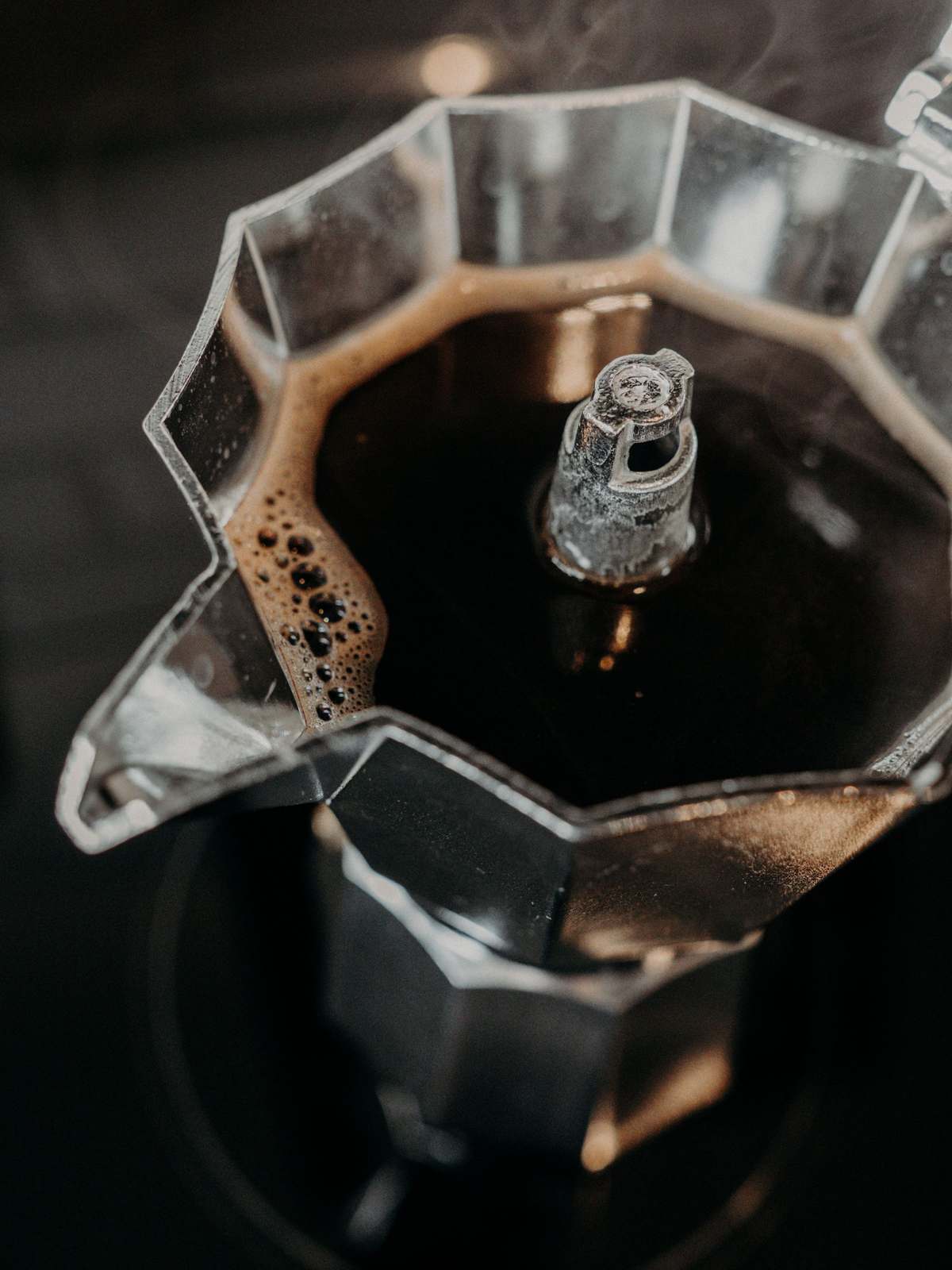
The best grind size for a moka pot sits just on the coarse side of espresso: fine and gritty, but not powdery. Bialetti, which makes the Moka Express, says ground coffee for a moka should be a medium grain, coarser than an espresso-machine blend, “otherwise the water would have trouble passing through the powder”. We haven’t tested this in person. This guide is based on Bialetti’s own guidance, Sage’s grinder manual and UK supermarket listings checked 3 Oct 2026. Read how we compare.
Grind size for moka pot brewing: where it sits
On a fine-to-coarse scale, a moka pot sits between espresso and filter:
- Espresso machine: very fine, almost like flour.
- Moka pot: fine to medium, like caster sugar or fine table salt. You should still feel grit between your fingers.
- Filter and pour-over: medium, like sand.
- Cafetière: coarse, like sea salt.
Bialetti doesn’t speak with one voice here. Its brewing article asks for a medium grain, coarser than espresso. Its support page on using the Moka Express says to loosely fill the funnel with “espresso ground coffee”. In practice, both point the same way: supermarket coffee sold as “espresso” ground usually works, and if you grind your own, go a little coarser than you would for an espresso machine.
Bialetti also gives a neat check. After you pour, swirl the cup. If there’s a thick layer of powder at the bottom, the grind was too fine.
Why too fine causes problems
A moka pot uses steam pressure from the base to push water up through the coffee. If the coffee is ground too fine, the water struggles to get through, as Bialetti puts it. That can slow the brew, push more fine grounds into the cup and leave you with a harsh, bitter result.
Bialetti’s other rules matter just as much as grind:
- Don’t press the coffee. Bialetti says to fill the funnel loosely and never tamp it, with no “mound” piled on top.
- Don’t overfill the base. Fill water to just below the safety valve. Bialetti says an overfilled base gives “boiled coffee” with a bitter or burnt taste.
- Keep the heat low to medium. Bialetti’s support page says it takes three to six minutes and to take the pot off as soon as it’s full. Full heat can make it taste burnt.
Who it isn’t for: anyone hoping a moka pot will make true espresso. It makes a strong, concentrated coffee, but it works at far lower pressure than an espresso machine.
Too coarse: the other way it goes wrong
If the grind is too coarse, the water rushes through and the coffee comes out thin, pale and sour. If that happens, go one step finer before you add more coffee. The funnel should be filled level, so dose isn’t something you can change much in a moka pot.
Pre-ground “espresso” coffee in UK supermarkets
Packs marked “espresso” are the usual choice if you don’t grind at home. From Morrisons’ “espresso ground coffee” search on 3 Oct 2026:
- Morrisons Espresso Ground Coffee: £3.60 at Morrisons, checked 3 Oct 2026.
- Lavazza Crema e Gusto Classico Ground Coffee (250g): £4.50 at Morrisons, checked 3 Oct 2026.
- Lavazza Espresso Italiano Classico Ground Coffee (250g): £6.50 at Morrisons, checked 3 Oct 2026.
- Illy Espresso Ground Coffee: £8.00 at Morrisons, checked 3 Oct 2026.
If one tastes harsh in your pot, try a pack labelled “cafetière and filter” mixed half and half with it. That brings the average grind a little coarser.
Who it isn’t for: anyone who wants to fine-tune the grind. With pre-ground coffee, the grind is fixed.
Grinder settings to start from
Grinder dials aren’t standard, so use these as a starting point:
- Sage Smart Grinder Pro: Sage’s chart runs from espresso (fine) through “percolator” (medium) and drip filter (medium coarse) to plunger (coarse). For a stovetop pot, start just finer than the percolator band and adjust.
- Other burr grinders: start a few clicks coarser than your espresso setting.
- Blade grinders: pulse in short bursts. Blade grinders make some powder, which tends to end up in the cup.
Change one setting at a time and taste. Bitter and powdery means go coarser. Thin and sour means go finer.
Who it isn’t for: anyone using a hand grinder without a numbered dial. You’ll need to count clicks from fully closed and keep a note.
Where to go next
Our guide to how to use a Bialetti covers the full method, and the best coffee grinder for a moka pot suggests grinders that do this range well. Comparing with other brewers? See grind size for a cafetière, or browse our coffee grinders and burr grinders under £100.
FAQ
Can you use espresso ground coffee in a moka pot? Usually, yes. Bialetti’s own support page says to use espresso ground coffee, filled loosely. If it tastes harsh, go a little coarser.
Should you tamp coffee in a moka pot? No. Bialetti says never to press the coffee down and not to leave a mound on top.
Why does my moka pot coffee taste bitter? The usual culprits are a grind that’s too fine, too much heat, or a base filled above the safety valve.
Is moka pot coffee the same as espresso? No. It’s strong and concentrated, but made at much lower pressure, so it has a different body and usually little crema.