Guide · Espresso machines
How much caffeine is in an espresso? UK facts
EFSA puts an espresso at about 80mg of caffeine. Here's how that compares with filter coffee, instant, tea and a double shot, using EFSA and NHS figures only.
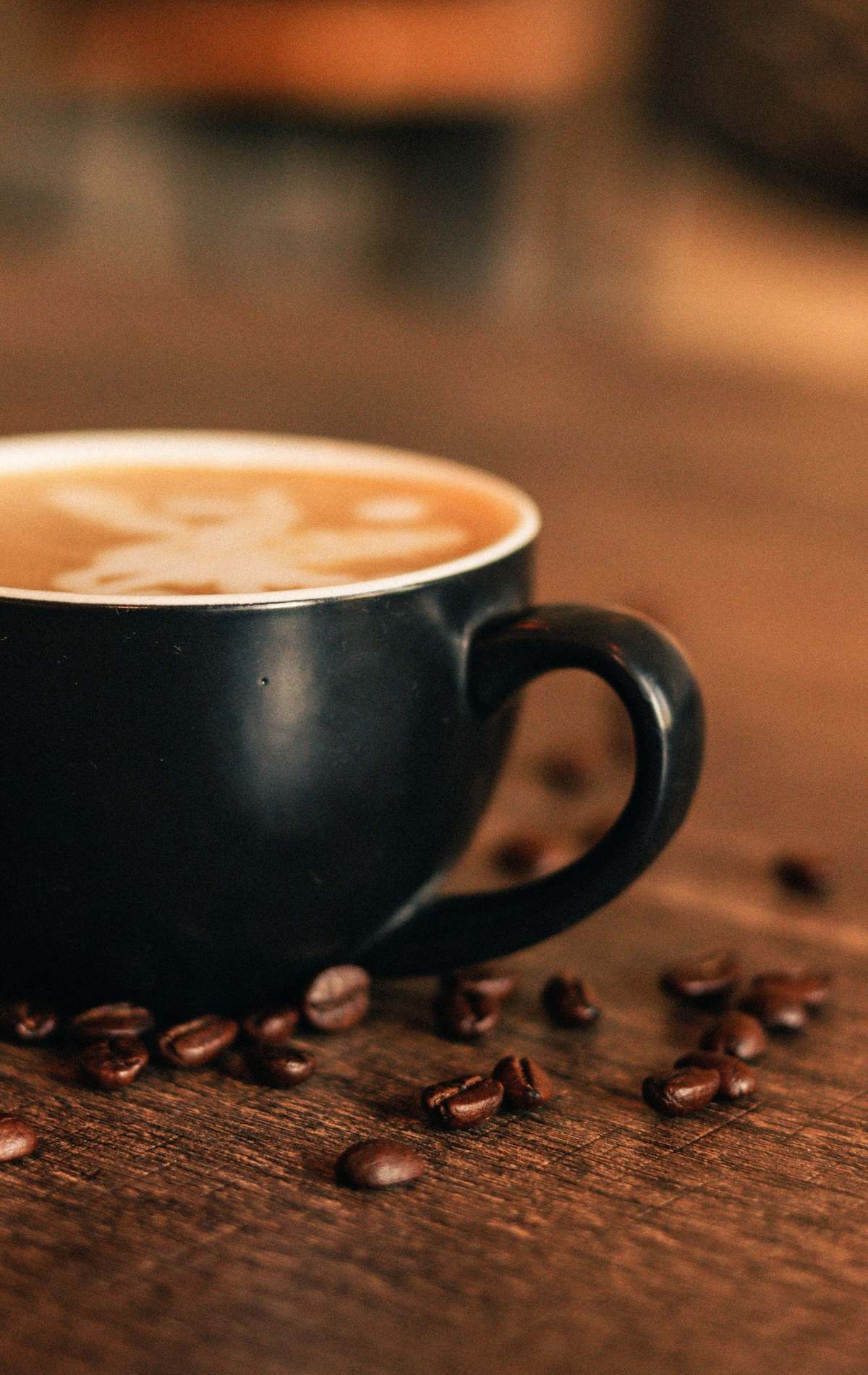
If you’re wondering how much caffeine in espresso, the European Food Safety Authority (EFSA) gives a guide figure of about 80mg for an espresso, which it measures as 60ml. That’s less than a cup of filter coffee, even though espresso tastes much stronger. This guide compares espresso with other everyday drinks, using figures from EFSA and the NHS only, and explains why the amount in your cup can vary. We haven’t tested this in person. We haven’t measured caffeine ourselves either. Read how we compare.
How much caffeine in espresso: the guide figure
EFSA’s guideline amounts put an espresso (60ml) at about 80mg of caffeine. EFSA stresses that all its figures are approximate, because caffeine content and portion sizes vary within and between countries.
It also explains why. EFSA says the caffeine in coffee depends on how it’s manufactured, the type of coffee beans used and how it’s prepared, for example as drip coffee or espresso.
Espresso vs other drinks
| Drink | Caffeine | Source |
|---|---|---|
| Espresso (60ml) | about 80mg | EFSA |
| Cup of filter coffee (200ml) | about 90mg | EFSA |
| Cup of instant coffee | about 100mg | NHS |
| Cup of tea | about 75mg | NHS |
| Cup of black tea (220ml) | about 50mg | EFSA |
| Can of cola (355ml) | about 40mg | EFSA |
| Energy drink (250ml) | about 80mg | EFSA and NHS |
The NHS adds that filter coffee and coffee bought from coffee shops can contain more than its instant coffee figure.
Why espresso tastes stronger but isn’t always
Espresso is concentrated: EFSA’s 80mg comes in a small 60ml serving, while its filter coffee figure of 90mg is spread across 200ml. So espresso has more caffeine per sip, but a whole cup of filter coffee can contain more in total.
That’s why the number of shots matters more than the strength of the taste.
Who this isn’t for: anyone looking for an exact figure for their own cup. These are guide amounts, and your coffee could be higher or lower.
Double espresso, americano and milky drinks
Many espresso drinks are built from one or two shots, so you can estimate from EFSA’s figure:
- Double espresso: two shots, so roughly double EFSA’s single-espresso figure.
- Americano: espresso topped up with hot water. Water adds no caffeine, so it depends on the number of shots. De’Longhi describes an americano as one or two shots of espresso with hot water. See espresso vs americano.
- Latte, cappuccino or flat white: the milk adds no caffeine, so again it comes down to the shots.
If you’re ordering in a café, ask how many shots go into the drink.
Ristretto and lungo
A ristretto is a shorter shot and a lungo a longer one, made with less or more water. Neither EFSA nor the NHS gives separate caffeine figures for them, so we haven’t put numbers on them here. For what each drink is, see what is a ristretto and what is a lungo.
What EFSA and the NHS say about daily caffeine
We don’t give health advice, but these are the official guide figures:
- EFSA: for healthy adults in the general population, it says single doses of up to 200mg and intakes of up to 400mg a day spread through the day don’t raise safety concerns. This doesn’t apply to pregnant women. It also says a single dose of 100mg may affect sleep in some adults, especially close to bedtime.
- NHS: if you’re pregnant, it says you should not have more than 200mg of caffeine a day.
If you have questions about caffeine and your own health, speak to your GP, pharmacist or midwife.
Decaf espresso
Switching to decaf? See how much caffeine is in decaf coffee and decaf vs regular coffee.
FAQ
How much caffeine is in a single espresso? EFSA gives about 80mg for a 60ml espresso, but says the real amount varies.
Does espresso have more caffeine than filter coffee? Per sip, yes. Per cup, not necessarily: EFSA gives about 90mg for a 200ml cup of filter coffee.
How much caffeine is in a double espresso? Roughly twice a single shot, so about double EFSA’s 80mg figure, though the real amount varies.
Does an americano have more caffeine than an espresso? Only if it’s made with more shots. The hot water adds no caffeine.