Guide · Instant coffee
How much caffeine is in decaf coffee? What labels and regulators say
Decaf still contains a little caffeine. Here's what the UK's legal definition allows, what the NHS and EFSA say about caffeine, and how decaf formats compare.
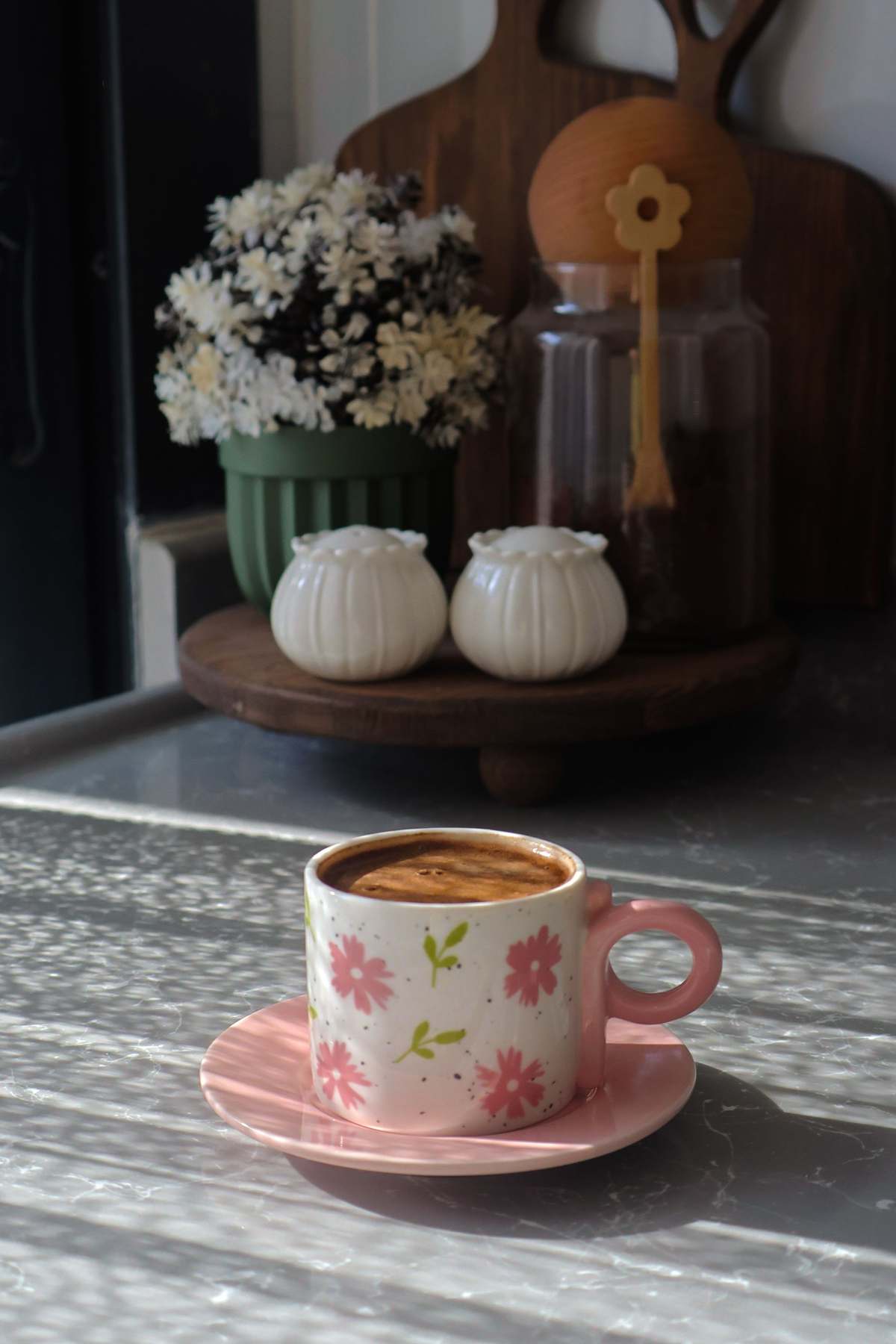
How much caffeine in decaf coffee is there? Less than in regular coffee, but not none. Decaffeination removes most of the caffeine from green coffee beans before roasting, and UK law sets a ceiling on what can remain in instant coffee labelled “decaffeinated”. The exact amount in your cup depends on the product, how much you use and how you brew it. We haven’t tested this in person. We haven’t measured caffeine ourselves either. This guide sets out what UK legislation, the NHS and EFSA say, using pages we checked on 3 Oct 2026. We don’t give health advice. If caffeine is a medical question for you, speak to your GP, pharmacist or midwife. Read how we compare.
How much caffeine in decaf coffee is allowed: the UK rule
The clearest legal figure is for instant coffee. Under the Coffee Extracts and Chicory Extracts (England) Regulations 2000, a coffee extract (which includes instant coffee) can only be labelled “decaffeinated” if its remaining anhydrous caffeine is no more than 0.30% of its coffee-based dry matter.
To put that in simple numbers: 0.30% of one gram is 3mg. So for every gram of decaf instant coffee powder, the legal ceiling is about 3mg of caffeine. That’s a maximum, not a typical figure, and the amount per cup depends on how much powder you spoon in. Check the pack for the brand’s serving size.
For roasted beans and ground coffee, we couldn’t find an equivalent current figure in the UK legislation we checked. Brands set their own specifications, so if you need a number for a particular decaf, the brand’s customer service team is the place to ask.
Who it isn’t for: anyone who needs a guaranteed zero. No decaf coffee can promise that.
What the NHS and EFSA say about caffeine
We only quote official guidance here. None of this is a recommendation from us.
- NHS, pregnancy: don’t have more than 200mg of caffeine a day.
- NHS, typical amounts: about 100mg in a cup of instant coffee, with filter coffee and coffee-shop coffee often containing more. About 75mg in a cup of tea and 40mg in a can of cola.
- EFSA, healthy adults: intakes of up to 400mg a day, spread through the day, don’t raise safety concerns for healthy adults in the general population, except pregnant women.
- EFSA, single doses: up to 200mg at once doesn’t raise concerns for healthy adults. EFSA also notes that 100mg may affect sleep in some adults if taken close to bedtime.
- EFSA, pregnancy and breastfeeding: up to 200mg a day from all sources doesn’t raise safety concerns for the foetus.
Caffeine from decaf counts towards these totals, but it’s small next to regular coffee. Tea, cola, chocolate and energy drinks all add up too.
Decaf instant, pods and espresso compared
-
Decaf instant: the only format with a clear UK legal ceiling (0.30% of dry matter). Most supermarkets have several. Nescafé Gold Blend Decaf (95g) was £3.85 at Morrisons, checked 3 Oct 2026.
-
Decaf pods: there are decaf options for most pod systems. L’OR Espresso Ristretto Decaf (x10) was £4.25 at Morrisons, checked 3 Oct 2026. For Starbucks by Nespresso Decaf Espresso Roast (10 pods), check price at Morrisons. Tassimo Kenco Americano Decaff (16 pods) was £5.30 at Morrisons, checked 3 Oct 2026, and Nescafé Dolce Gusto Americano Decaffeinato (16 pods) was £5.00 at Morrisons, checked 3 Oct 2026. Pod brands don’t usually print a caffeine figure on the pack, so check their websites.
-
Decaf beans and ground for espresso: a double shot uses more coffee than a cup of instant, so even at a low percentage the total can be higher. Morrisons The Best Colombian Decaf Coffee Beans (227g) were £4.30 at Morrisons, checked 3 Oct 2026, and Lavazza Decaf Classico Ground Coffee (250g) was £6.50 at Morrisons, checked 3 Oct 2026.
Who it isn’t for: anyone who drinks lots of decaf in a day and assumes it’s caffeine-free. Small amounts add up.
How to keep track
- Read the pack. Some brands print a caffeine figure per cup or per 100g.
- Remember the dose. More powder, a double shot or a bigger mug means more caffeine, even with decaf.
- Watch the label wording. “Decaffeinated” is a legal description for instant coffee in England. Words like “low caffeine” or “half caff” are different products.
Where to go next
Our guide to decaf vs regular coffee explains how decaf is made. To choose one, see the best decaf coffee, the best decaf coffee pods or the best decaf Dolce Gusto pods, or browse our instant coffee page.
FAQ
Does decaf coffee have caffeine in it? Yes, a small amount. UK rules for decaf instant allow up to 0.30% caffeine in the coffee’s dry matter.
How much caffeine is in a cup of decaf instant? It depends on the brand and how much you use. The legal ceiling works out at about 3mg per gram of powder, and real products may be lower.
How much caffeine is in regular instant coffee? The NHS estimates about 100mg in a cup of instant coffee.
Is decaf safe in pregnancy? We can’t advise on that. The NHS says to keep caffeine to no more than 200mg a day in pregnancy, so ask your midwife or GP about your own situation.