Guide · Cafetières
How to clean a cafetière: plunger, filter and stains
How to clean a cafetière after every brew: emptying grounds safely, taking the plunger mesh apart, Bodum dishwasher guidance, shifting stains, and when to replace the filter.
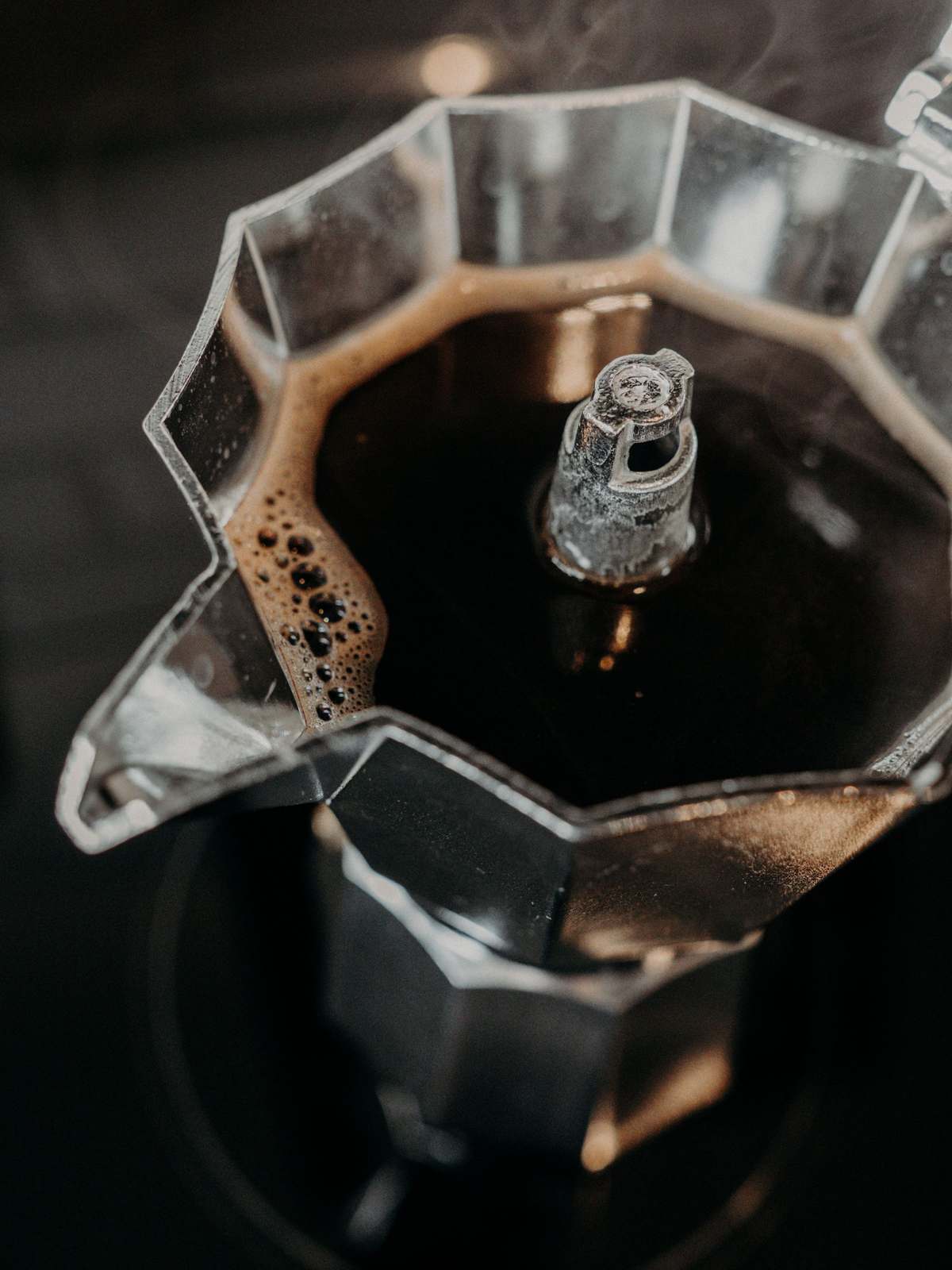
Learning how to clean a cafetiere properly keeps the next brew tasting fresh and stops old oils building up in the mesh. The routine is simple: tip out the grounds (not down the sink), unscrew the plunger filter stack, wash everything, and dry before you put it back together. Bodum’s Chambord instructions say to take the filter assembly apart after each use and note that the glass carafe, plastic parts, filter and chrome frame are dishwasher-safe. We haven’t tested this in person. Always follow your own maker’s leaflet if it differs. Read how we compare.
How to clean a cafetiere after every brew
- Let it cool enough to handle. Hot glass can crack if you run cold water straight onto it.
- Lift out the plunger and tip the spent grounds into the food caddy or bin. Do not rinse a thick puck down the sink — coffee grounds are a common cause of blocked drains.
- Unscrew the filter stack at the bottom of the plunger rod. On a classic Bodum-style press you’ll usually find a mesh screen between metal plates and a spiral spring plate; take them apart so grounds aren’t trapped between layers.
- Wash the beaker, lid, rod and filter parts in warm soapy water, or put dishwasher-safe parts on the rack if your maker allows it (Bodum lists glass, plastic, filter and chrome as dishwasher-safe on the Chambord).
- Rinse and dry, then reassemble the mesh so it sits flat before the next brew. A crooked screen lets sludge into the cup.
Brewing technique sits in how to use a cafetiere; grind advice is in grind size for french press.
Who it isn’t for: anyone leaving wet grounds in the pot overnight. They dry into a cement-like ring that is much harder to scrub.
Taking the plunger and mesh apart
Work over a towel so tiny parts don’t bounce into the sink trap:
- Hold the plunger rod and unscrew the bottom nut or bolt (designs vary).
- Slide off the plates and mesh in order; note which way the spring plate faces so you can rebuild it the same way.
- Brush the mesh under running water. A soft bottle brush clears the holes better than a sponge alone.
- Check for bent mesh or a stretched spring — both mean cloudy coffee even when you clean carefully.
If the mesh is torn, replacement screens are cheap. MaxiCoffee lists a Bodum 4–6–8 cup replacement mesh filter at £4.50 at MaxiCoffee UK, checked 3 Oct 2026, and a 3-cup mesh at £3.80 at MaxiCoffee UK, checked 3 Oct 2026. An 8-cup spare glass beaker was £16.50 at MaxiCoffee UK, checked 3 Oct 2026.
Who it isn’t for: owners of fully sealed travel presses with no removable mesh. Those follow the maker’s wipe-clean steps instead.
Dishwasher vs hand wash
Bodum’s Chambord guidance treats the glass beaker, plastic parts, filter and chrome frame as dishwasher-safe. Still:
- Place glass on the top rack away from heavy pans.
- Keep mesh parts in a cutlery basket.
- Hand wash painted or wooden handles.
- Insulated double-wall pots often differ — see best insulated cafetiere.
Who it isn’t for: anyone whose manual says hand wash only. Some budget plastic frames warp in a hot dishwasher.
Stains, oils and mould
- Brown oil film: wash with hot soapy water; a paste of bicarbonate of soda on a soft cloth shifts stubborn rings on glass.
- Cloudy hard-water marks: a short soak with a mild citric acid solution or white vinegar, then a thorough rinse, helps on glass and steel (avoid soaking wooden parts).
- Musty smell or visible mould: usually from a damp plunger left assembled. Strip it completely, wash, and air-dry every part before storage.
- Metal spoon scratches: Bodum warns against metal spoons in glass beakers when stirring — use plastic or wood so cleaning stays about coffee, not chips.
See also best cafetiere.
Who it isn’t for: people storing the pot assembled while still wet.
When to replace the filter
Replace the mesh when:
- Holes are torn or permanently clogged after scrubbing.
- The spring plate no longer presses the screen flat against the glass.
- Coffee pours with unusual sludge even with a coarse grind.
Matching the cup size matters — an 8-cup mesh will not seal a 3-cup beaker. Ground coffee choice also affects how much fines stick in the screen; see best ground coffee for cafetiere.
Who it isn’t for: anyone whose glass beaker is cracked. Replace the beaker (or the whole pot) rather than pushing a new mesh into a damaged jar.
Downsides
- Daily dismantling takes a couple of minutes.
- Tiny mesh parts are easy to lose.
- Dishwasher heat can dull some finishes.
- Grounds down the sink risk a blocked drain.
FAQ
Can coffee grounds go down the sink? Better not. Tip them into food waste or the bin. Grounds settle in U-bends and help form blockages.
Can a Bodum cafetière go in the dishwasher? Bodum’s Chambord instructions list the glass carafe, plastic parts, filter and chrome parts as dishwasher-safe. Confirm for your exact model.
How do you clean a cafetière plunger filter? Unscrew the stack, separate the mesh from the plates, wash each piece, dry, and reassemble flat.
What removes brown stains inside a glass cafetière? Hot soapy water first; bicarbonate of soda for oily film; a mild acid soak for hard-water haze, then rinse well.
When should the mesh be replaced? When it is torn, warped or no longer seals, or when cleaning no longer clears the holes. Replacement 4–6–8 cup Bodum meshes were £4.50 at MaxiCoffee UK, checked 3 Oct 2026.
For brewing steps, see our guide to using a cafetière; for pot picks, see our best cafetière guide.