Guide · Moka pots
How to clean a moka pot
How to clean a moka pot the way Bialetti recommends: a water-only rinse for aluminium pots, what's different for stainless steel, descaling with citric acid or vinegar, and when to replace the gasket.
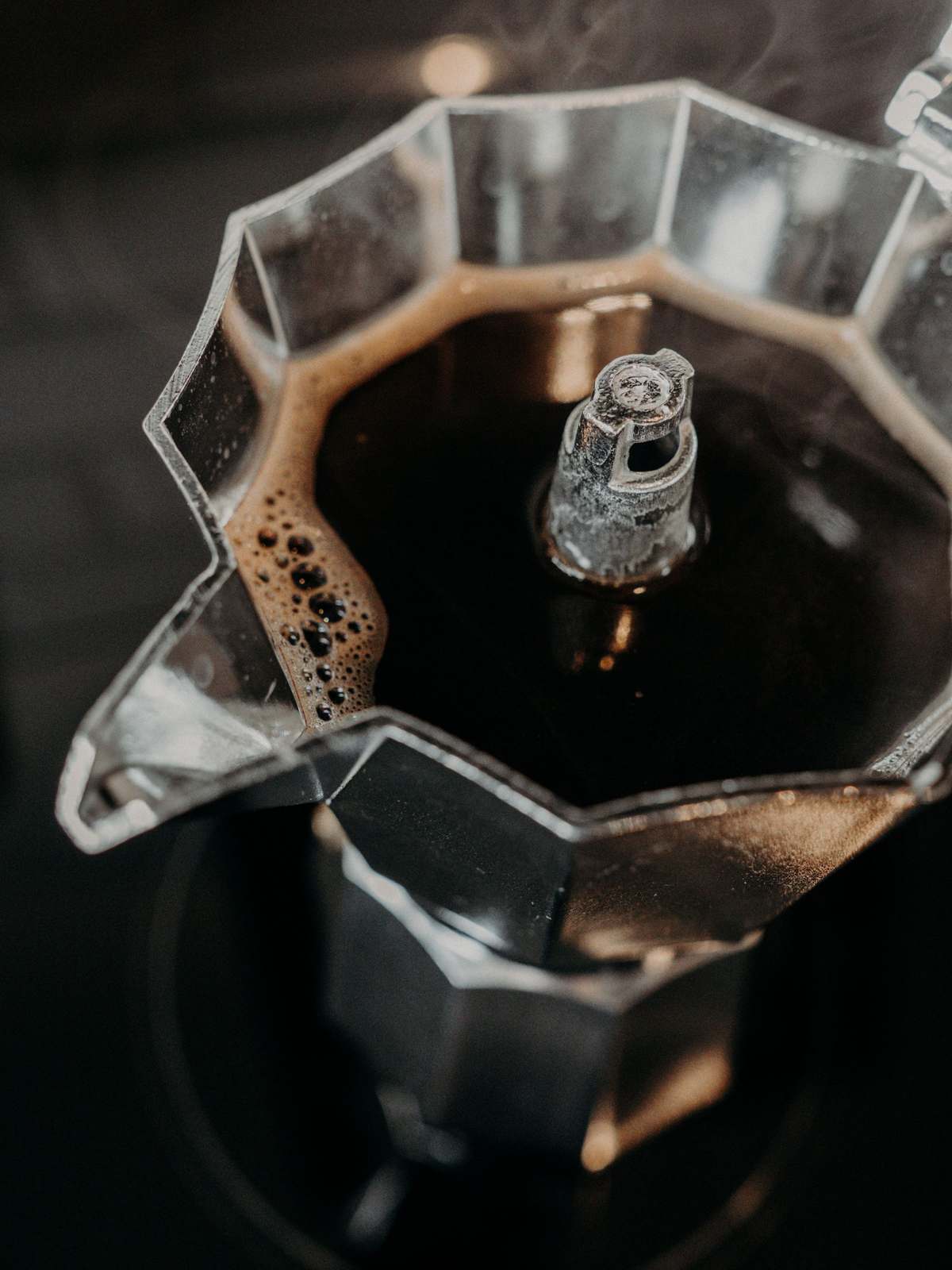
Learning how to clean a moka pot properly keeps the coffee tasting right and the pot working for years. The short version, from Bialetti’s own guidance: let it cool, take it apart, rinse every part in warm water, dry it fully and only then put it back together. Aluminium pots shouldn’t go near soap or the dishwasher. This guide covers the daily rinse, the difference between aluminium and stainless steel, descaling, and looking after the gasket and filter plate. We haven’t tested this in person. The steps come from Bialetti’s support pages, its Moka Express manual and its UK FAQ. Read how we compare.
How to clean a moka pot after every use
Bialetti’s support guidance for daily cleaning:
- Let it cool completely. Don’t take a hot pot apart.
- Take it apart. Unscrew the top from the base, lift out the funnel filter and empty the grounds.
- Rinse each part in warm water. For aluminium pots, Bialetti says to use water only, with no soap or detergent.
- Dry everything with a clean cloth. Bialetti says not to reassemble the pot until all the parts are completely dry, to avoid oxidation.
Bialetti’s UK FAQ adds one more tip: don’t use the handle to unscrew the pot, as this can break it. Grip the base and the top chamber instead.
If you’re new to the pot, our guide to using a Bialetti covers brewing and assembly.
Who it isn’t for: anyone who wants to leave the pot assembled with grounds in it until the next day. Dried-on grounds make cleaning harder.
Aluminium vs stainless steel moka pots
The material decides what you can use.
- Aluminium, like the classic Moka Express: Bialetti says to hand wash with warm water only. Soap can affect the taste, and Bialetti’s UK FAQ says the Moka Express is not dishwasher safe. Bialetti’s cleaning article says the dishwasher could alter the surface of the material.
- Stainless steel: Bialetti’s support page says its steel pots are dishwasher safe, though it still recommends hand washing to keep them looking good.
Not sure which you have? Check the base or the product listing. Steel pots are usually the ones sold for induction hobs, as covered in our guide to the best moka pot for induction.
Who it isn’t for: owners of non-Bialetti pots who haven’t checked their own manual. Other makers may give different advice, so follow theirs.
Descaling a moka pot
Hard water leaves limescale in the base over time. Bialetti’s Moka Express manual gives a descaling method:
- Fill the base with water up to the valve.
- Add two teaspoons of citric acid or vinegar.
- Put the pot back together, without coffee, and brew once.
- Throw away the liquid.
- Then brew a pot of coffee as normal before going back to drinking it.
Bialetti’s cleaning article also mentions bicarbonate of soda, vinegar and citric acid as gentle cleaners, and suggests filtered or bottled water to slow limescale build-up.
Avoid scouring pads and abrasive cleaners, which Bialetti says can damage the pot.
Who it isn’t for: people in soft-water areas. Occasional descaling may be enough.
The gasket and filter plate
The rubber gasket seals the two halves of the pot and helps keep the pressure right. Bialetti’s guidance:
- Clean it by taking it out and wiping it with a cloth soaked in water.
- Check the filter plate holes regularly. If they’re blocked, the manual says to open them with a soft brush or a needle.
- Replace the gasket if it’s worn. Bialetti recommends replacing it at least once a year anyway.
- Use original parts that match your model. Gaskets usually come with a new filter plate.
- Don’t overtighten. Bialetti says screwing the pot too tightly affects the gasket.
After fitting a new gasket, Bialetti advises making at least one pot of coffee and throwing it away, so the new part loses its smell.
Who it isn’t for: anyone with a leaking pot that’s been dropped. A bent base or damaged valve may need a replacement pot rather than a new gasket.
Signs your moka pot needs a deeper clean
- Coffee tastes stale or bitter even with fresh beans.
- White or chalky marks inside the base.
- Coffee spurting out slowly or not at all, which can mean blocked filter holes. Check your grind too, as our grind size for moka pot guide explains.
- Leaks around the middle, which usually means a worn gasket.
Who it isn’t for: owners of a brand-new pot. Bialetti’s manual says to wash a new pot with water only and brew at least three pots of coffee to throw away before using it.
Downsides
- Hand washing every time takes a few minutes.
- Aluminium pots need more care and can’t go in the dishwasher.
- Gaskets wear out and need replacing at least yearly.
- Descaling uses up a brew cycle.
FAQ
Can soap be used on a moka pot? Not on an aluminium pot, according to Bialetti. It says to use warm water only.
Can a moka pot go in the dishwasher? Bialetti says its aluminium Moka Express is not dishwasher safe, while its stainless steel pots are, though hand washing is still recommended.
How often should the gasket be replaced? Bialetti recommends at least once a year, or sooner if it’s worn.
What removes limescale from a moka pot? Bialetti’s manual uses two teaspoons of citric acid or vinegar in the water, brewed once without coffee.
Why does a moka pot leak from the middle? Usually a worn gasket, a pot that isn’t screwed together properly, or coffee grounds on the rim.
Looking for a new one? See our guide to the best moka pot.