Guide · Accessories
Best water for a coffee machine: tap, filtered or bottled in UK hard-water areas
Tap, filtered or bottled? What hard water does to a coffee machine, what Sage and De'Longhi say about distilled and sparkling water, and filter prices checked 3 Oct 2026.
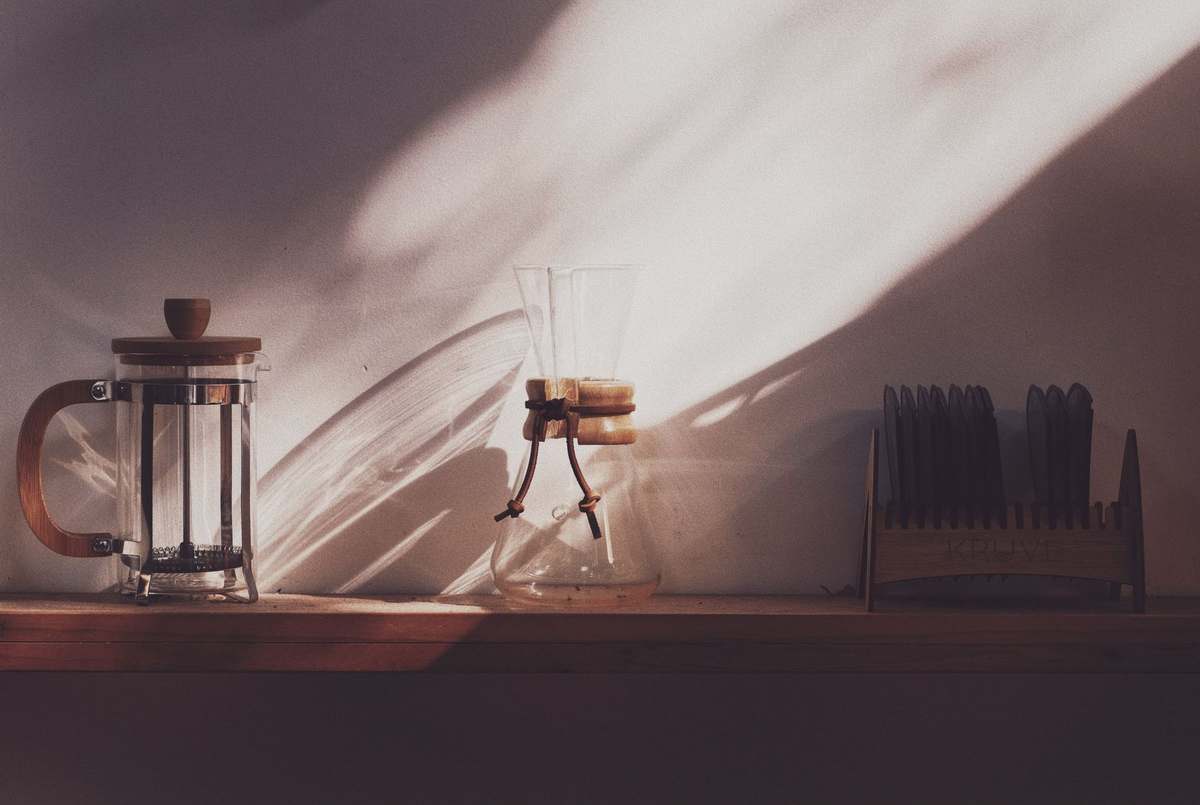
If you’re after the best water for coffee machine UK owners can use, especially in a hard-water area, the honest answer is usually filtered tap water rather than anything fancy. Hard water leaves scale inside the machine, but water with almost no minerals isn’t the fix either, and some makers warn against it. This guide explains why hardness matters, then compares machine filters, filter jugs and bottled water. We haven’t tested this in person. It’s based on the Drinking Water Inspectorate’s guidance, Sage and De’Longhi manuals, BRITA UK, and prices checked at Sage UK, Currys and Bosch UK on 3 Oct 2026. Read how we compare.
Best water for coffee machine UK: the short answer
Get your machine maker’s own filter if your machine takes one. For most Sage espresso machines that’s the Sage ClaroSwiss, at £14.95 at Sage UK, checked 3 Oct 2026. For many De’Longhi bean-to-cup and pump machines it’s the DLSC002, at £8.49 at Currys, checked 3 Oct 2026.
Who it isn’t for: anyone whose machine has no filter housing in the tank. Check your manual before buying.
Choose a filter jug if your machine doesn’t take a filter, or you want filtered water for the kettle too. The BRITA Marella was £33.99 at Currys, checked 3 Oct 2026.
Who it isn’t for: anyone who won’t change cartridges on time. Currys lists each cartridge at around a month.
Skip distilled and sparkling water. Sage’s manuals advise against distilled or demineralised water, and De’Longhi’s EC9455 manual says not to use sparkling or distilled water.
Who it isn’t for: this one applies to everyone, unless your own machine’s manual says otherwise.
Why water hardness matters for your coffee machine
Water hardness comes from dissolved calcium and magnesium, and it varies with local geology. The Drinking Water Inspectorate (DWI) classes water as soft up to 100mg/l (measured as calcium carbonate), and hard at 200 to 300mg/l, with very hard above that. It explains that hard water causes scale on heating elements, which shortens their life and makes appliances less efficient.
In a coffee machine, Sage’s Barista Express manual says mineral build-up can reduce brewing flow, temperature, power and the taste of the espresso.
Check your own water. Hardness can vary locally, so the DWI says to ask your water company directly for an accurate figure. Some machines, including De’Longhi’s, also come with a test strip. De’Longhi’s ECAM23.450 manual has you dip it in a glass of water for one second, wait about a minute and count the red squares (1 to 4). You then set that level on the machine so it asks for descaling at the right interval.
Who it isn’t for: anyone already in a soft-water area. You’ll still need to descale, just less often.
Option 1: your machine’s own water filter
These cartridges sit in the water tank. Each maker says its filter cuts scale build-up, and the manuals tie filter life to hardness.
Sage ClaroSwiss: £14.95 at Sage UK, checked 3 Oct 2026. Sage says it fits its espresso machines, listing models from the Bambino to the Oracle, but asks you to check your batch code. Sage says to replace it every 90 days. The Barista Express manual says to change its filter after three months or 40 litres, a limit based on hardness level 4 that rises to 60 litres at level 2. The Barista Touch Impress manual suggests changing it more often in a hard-water area. See it at Sage UK.
Who it isn’t for: owners of older Sage machines outside the listed batch codes. Check before you order.
De’Longhi DLSC002: £8.49 at Currys, checked 3 Oct 2026. Currys lists it for De’Longhi ECAM and ETAM bean-to-cup machines and EC680 and EC800 series pump machines. De’Longhi UK describes ion-exchange resins and active carbon, and a life of up to two months. It was out of stock on De’Longhi’s own shop when we checked. The ECAM23.450 manual adds that a filter left in an unused machine lasts three weeks at most, and that you tell the machine when one is fitted. See it at Currys.
Who it isn’t for: owners of De’Longhi models outside those series. Check your manual for the right part.
BRITA Intenza 3-pack: £38.62 at Bosch UK, checked 3 Oct 2026. Bosch sells it as part 17008836, replacing parts 17000706 and 00576335. BRITA UK says each cartridge lasts two months and has a ring you set to suit your local tap water. BRITA’s own shop listed it as unavailable. See it at Bosch UK.
Who it isn’t for: anyone without a compatible machine. BRITA says to check your machine’s manual first.
Option 2: a filter jug
A jug works with any machine you fill by hand, and covers the kettle too. The DWI notes that some carbon jug filters also contain ion-exchange resin. These reduce “temporary” hardness, the part that forms scale when water is heated, but they don’t change permanent hardness.
BRITA Marella: £33.99 at Currys, checked 3 Oct 2026. Currys lists a 2.4-litre jug giving 1.4 litres of filtered water, with three Maxtra Pro cartridges in the box. It says each lasts 150 litres, around a month. See it at Currys.
BRITA Maxtra Pro Limescale Expert 3-pack: £20.99 at Currys, checked 3 Oct 2026. BRITA UK pitches this cartridge at coffee and tea drinkers in hard-water areas. It says it reduces limescale 50% better than its own Pure Performance cartridge. Currys lists up to four weeks per cartridge. See it at Currys.
One thing to weigh: Sage’s manuals caution against “highly filtered” water, and the Barista Touch Impress manual names reverse osmosis (RO) water unless minerals are added back. Sage doesn’t mention jug filters either way. If your machine has its own filter, the manual is the safer guide.
Who it isn’t for: anyone with a busy household machine. Refilling a 1.4-litre jug for a big tank gets tedious.
Option 3: bottled water
We haven’t included any bottled water prices, because the right choice depends on your machine’s manual rather than a brand. What makers say:
- Still, not sparkling. De’Longhi’s EC9455 manual says fresh drinking water is mandatory, and not to use sparkling (carbonated) or distilled water.
- Not distilled or demineralised. Sage’s Barista Express manual says these may affect the taste and how the machine works. The Barista Touch Impress manual says never to use distilled water or water with no or low mineral content.
- Test it first. If your tap water tests at level 4 or 5, the Barista Touch Impress manual strongly recommends another water source. It also says to test that water’s hardness and set it on the machine.
- Not for descaling. The same manual says not to use bottled water when descaling, because most contains dissolved solids that can leave deposits.
Who it isn’t for: most people. Buying bottles for every tank adds cost and waste.
What about a water softener?
A whole-house softener is a different thing from a jug or cartridge. The DWI explains that most domestic softeners swap calcium and magnesium for sodium. It advises keeping an unsoftened kitchen tap for drinking and cooking. The Sage and De’Longhi manuals we read don’t cover water from a household softener, so ask your machine’s maker before using it.
Descaling still matters
Filters reduce scale, but they don’t stop it. Sage’s Barista Touch Impress manual recommends descaling even with the provided filter if scale builds up in the tank. De’Longhi’s ECAM23.450 manual says the machine asks for descaling after a period set by the hardness level you choose. For step-by-step guides, see how to descale a Sage Barista Express, how to descale a De’Longhi Magnifica and how to descale a De’Longhi Dedica. If your kettle is scaling up too, our guide to the best kettle for hard water compares filter kettles. You’ll find more machines in our coffee machines section.
Downsides to know
- Running costs. Every option here needs new cartridges, every two to three months for machine filters and about monthly for jugs.
- Compatibility. Machine filters are model-specific, and the wrong one won’t fit.
- No filter removes all scale. The DWI says jug filters don’t change permanent hardness, so you’ll still need to descale.
- Bottled water needs checking. Sage’s manual says to test any alternative water source and set its hardness on the machine.
FAQ
What’s the best water for a coffee machine in the UK? For most people, filtered tap water. Use your machine maker’s filter if it takes one, or a filter jug if not.
Can you use distilled water in a coffee machine? Sage and De’Longhi both advise against it in the manuals we checked. Follow your own machine’s manual.
How do you find out how hard your water is? Ask your water company, as the DWI suggests, or use the test strip that came with your machine.
Do you still need to descale with a water filter? Yes. A filter only reduces scale, and Sage’s Barista Touch Impress manual recommends descaling if scale builds up even with its filter fitted.