Guide · Descaling and cleaning
How to descale a coffee machine: any brand, step by step
How to descale a coffee machine in general terms: why and how often, branded descaler vs citric acid or vinegar, what makers allow, and links to every machine-specific guide on Hoppin Hopper.
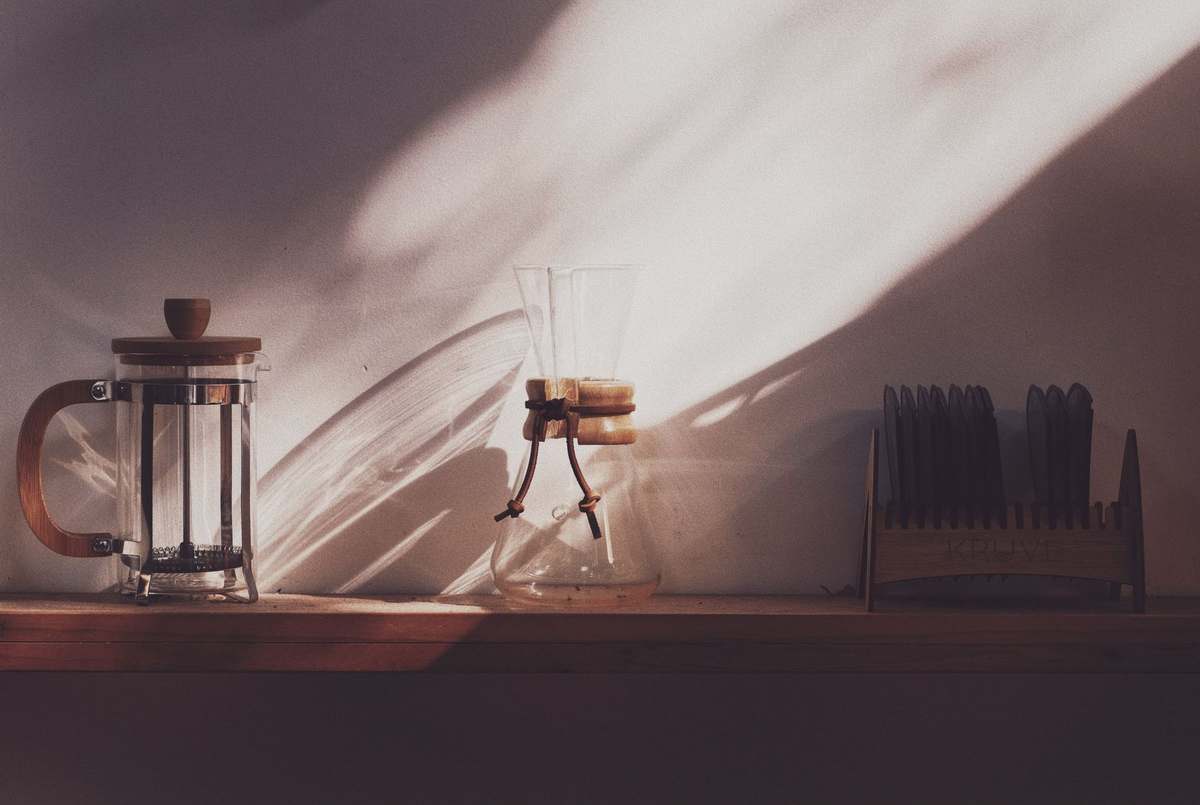
Working out how to descale a coffee machine starts with one rule: follow your maker’s manual. Descaling removes mineral limescale from the water path. It is not the same as backflushing coffee oils from a group head. We haven’t tested this in person. The overview below draws on maker manuals (Sage, De’Longhi and others) and UK descaler prices checked on 3 Oct 2026. For button-by-button steps, use the model links at the end. Read how we compare.
Why coffee machines need descaling
Limescale is calcium and magnesium from the water supply. It narrows pipes, slows flow, dulls heating and can trip descale lights or fault codes. Sage’s Barista Express guide schedules descaling by water hardness (for example every 90 days at hardness level 4, or every 60 days at level 6). De’Longhi bean-to-cup machines use a hardness setting and a descale alert so the cycle runs before scale gets severe.
Filtered water slows the build-up but does not always remove the need to descale — see best water for coffee machine.
Who it isn’t for: people whose machine has no water tank (plumbed-in commercial kit). Those follow a service schedule, not this home guide.
How to descale a coffee machine: the general method
Exact buttons differ, but almost every home machine follows this pattern:
- Read the manual for your model — descaler type, dilution and which outlets to run (brew head, steam wand, hot water).
- Empty the drip tray and grounds container if you have them.
- Remove any water filter from the tank if the maker says to (many do during descaling).
- Mix descaler and water in the tank to the marked levels.
- Start the descale programme (held buttons, menu item or dial combination).
- Let the machine run solution through every water path it asks for.
- Rinse thoroughly with fresh water — often one or two full tanks — and discard those rinses.
- Refit the filter, reset any alert if needed, and pull a blank shot you discard before drinking coffee again.
Never interrupt a cycle mid-way if the maker says it cannot be paused (De’Longhi Magnifica Evo FAQs say this explicitly).
Who it isn’t for: anyone pouring neat descaler through a portafilter as a “backflush”. Descaler belongs in the tank circuit; oil cleaners belong in a blind basket — see how to backflush an espresso machine.
Descaler types: branded, citric acid, vinegar
Maker-branded liquid or powder is what warranties usually assume. Examples checked 3 Oct 2026:
- De’Longhi Eco-Decalk Mini (DLSC200) — £7.99 at Currys, checked 3 Oct 2026.
- Russell Hobbs Multi Purpose Descaler (21220) — £3.99 at Russell Hobbs UK, checked 3 Oct 2026; the brand says it suits kettles and coffee machines.
- Sage descaling powder sachets — sold for Sage espresso machines; follow the Barista Express / Bambino quick guide quantities.
Citric acid appears in some kettle and moka-pot guidance, but many espresso and bean-to-cup makers specify their own chemistry. Only use citric acid in a coffee machine if your manual allows it.
White vinegar is common for kettles but is often discouraged in coffee machines because of smell, seals and warranty wording. De’Longhi’s Magnifica guidance expects EcoDecalk, not vinegar.
Who it isn’t for: anyone using a random bathroom descaler. Stick to products labelled for coffee machines or named in the manual.
What not to use
- Abrasive powders or bleach in the water tank.
- Descaler tablets meant only for dishwashers.
- Skipping rinses (taste and corrosion risk).
- Running descaler with a milk carafe still attached unless the manual includes that path.
Pod machines (Nespresso, Dolce Gusto, Tassimo) each have their own bottle-and-cycle routine — use the model pages rather than improvising with vinegar.
Who it isn’t for: anyone whose manual names a specific product. In that case, the manual’s list beats any general advice.
What the makers’ manuals say
Three of the biggest brands sold in the UK publish clear descaling rules, and they agree on more than they differ.
De’Longhi. De’Longhi’s UK descaling FAQs for the Magnifica Evo and the Dedica say to descale when the descale light comes on, and that how often depends on your water hardness, so run the water hardness test and set the machine to match. De’Longhi recommends its own EcoDecalk and warns that an unsuitable descaler, or descaling incorrectly, may cause faults not covered by the guarantee. Remove the water filter first. On the Magnifica Evo, the cycle takes around 30 minutes and can’t be interrupted once started, and the Dedica FAQ gives 25 to 30 minutes. De’Longhi’s own care guide says vinegar can leave odours and may be too harsh for some internal parts.
Nespresso. Nespresso’s descaling guides recommend descaling every 3 months or every 300 capsules, whichever comes first, using the Nespresso descaling kit. They warn that other solutions, such as vinegar or shop-bought descalers, may damage the machine. The CitiZ manual adds a schedule by water hardness.
Sage. Sage’s Barista Pro instruction book explains that hard water causes mineral build-up that can reduce brewing flow, temperature, power and taste, and the screen shows a DESCALE alert when it’s due. The cycle starts with an empty drip tray and the water filter removed, then the tank is filled to the DESCALE line with descaling agent. The machine runs the solution through the coffee, hot water and steam paths in turn, then rinses from a tank refilled to MAX.
Who it isn’t for: owners of other brands. Philips, Krups, Gaggia and others publish their own rules, so check yours.
Machine-specific guides on Hoppin Hopper
For button-by-button steps, start with our guides to descaling the Sage Barista Express, the De’Longhi Magnifica and Nespresso Vertuo machines.
We also have separate descaling guides for the Sage Bambino and Barista Pro, the Gaggia Classic Pro and Brera, the De’Longhi Dedica, Rivelia, Eletta Explore and La Specialista, the Nespresso CitiZ, Dolce Gusto, Tassimo, and the Philips 2200 and 3200.
Who it isn’t for: owners of a model we don’t cover yet. Use the general method above with your own manual.
Downsides
- A full cycle can take 20–45 minutes and uses a tank of water.
- Branded descaler costs more per clean than cupboard citric acid (where allowed).
- Skipping rinses leaves a chemical taste.
- Descaling does not replace milk-system or group-head cleaning.
FAQ
How often should a coffee machine be descaled? Follow the alert or the manual’s hardness schedule. Sage’s Barista Express guide uses 60–90 day examples by hardness level; hard-water homes go sooner.
Can vinegar descale a coffee machine? Only if the maker allows it. Many espresso and bean-to-cup brands specify their own descaler instead. Vinegar methods are better documented for kettles.
Is descaling the same as backflushing? No. Descaling clears mineral scale in the water circuit. Backflushing clears coffee oils in the group with a blind basket.
What descaler should be bought? The one named in your manual. As a UK price check on 3 Oct 2026, De’Longhi Eco-Decalk Mini was £7.99 at Currys and Russell Hobbs Multi Purpose Descaler was £3.99 at Russell Hobbs UK.